Understanding Onion Toxicity in Dogs: An Emergency Vet Guide
The delicious aroma of sautéed onions might be a staple in many human kitchens, but for our canine companions, even a small amount can pose a significant health risk. Many loving pet owners are unaware that common ingredients like onions can be dangerously toxic to dogs. Understanding how much onion is toxic to dogs is not just a piece of trivia; it's vital knowledge that could literally save your pet's life in an emergency.
Onions contain compounds known as thiosulphates, which are harmless to humans but wreak havoc on a dog's red blood cells. This damage can lead to a serious condition called hemolytic anemia, where red blood cells are destroyed faster than the body can replace them. This comprehensive guide will equip you with the essential information to recognize, understand, and act swiftly if your dog ever consumes onion.
Why Are Onions So Dangerous for Dogs? The Science Behind the Toxicity
The core of onion toxicity in dogs lies in specific sulfur-containing compounds within the Allium family. These compounds, primarily thiosulphates, are readily absorbed into a dog's bloodstream. Once there, they initiate a process called oxidative damage to the red blood cells. This damage targets the hemoglobin, the protein responsible for carrying oxygen, and causes the red blood cells to become fragile and rupture, a process known as hemolysis.
This rapid destruction of red blood cells leads to hemolytic anemia, significantly reducing the dog's ability to transport oxygen throughout its body. This lack of oxygen can affect all organs, leading to weakness, lethargy, and in severe cases, organ failure and death. It's crucial to understand that all forms of onion—raw, cooked, fried, powdered, dehydrated, or even in prepared foods like soups, gravies, and baby food—contain these harmful compounds. The method of preparation does not diminish their toxicity.
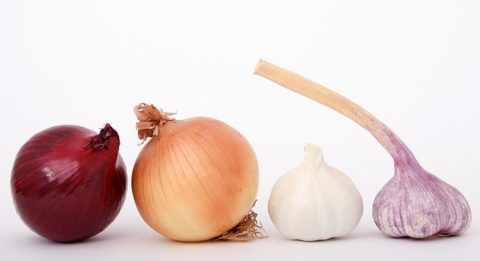
While onions are a primary concern, other members of the Allium family also pose a risk. This includes garlic, chives, and leeks. Interestingly, garlic is considered even more potent than onions, estimated to be 3-5 times more toxic. This means a smaller quantity of garlic can lead to more severe symptoms. Cats are generally more susceptible to Allium toxicosis than dogs, but dogs are still very much at risk.
How Much Onion Is Toxic to Dogs? Quantifying the Danger
Pinpointing an exact "safe" amount of onion for a dog is impossible, as the answer is always none. However, veterinarians have established general guidelines for when toxic effects typically begin to manifest. Dogs can experience adverse effects from onions when they consume approximately 0.5% of their body weight in onion.
- For a 44-pound (20 kg) dog: This translates to roughly one medium-sized onion (about 100 grams). Ingesting this amount would put them at significant risk.
- For a smaller dog: The danger escalates dramatically. A tiny Chihuahua, weighing just 5 pounds, could show signs of toxicity from as little as 10-15 grams of onion – an amount equivalent to a few onion rings, a tablespoon of chopped onion, or even less than a teaspoon of onion powder.
The form of the onion also plays a critical role in its potency. Concentrated forms, such as onion powder or dehydrated onions found in seasoning mixes, soups, gravies, and some human baby foods, are far more dangerous than fresh onions. A small sprinkle of onion powder can contain the toxic compounds of multiple fresh onions, making it incredibly easy for a small dog to ingest a dangerous amount without you realizing it. This is why even a seemingly Small Dog, Big Risk: How Little Onion Can Be Toxic.
Furthermore, some dog breeds exhibit a higher sensitivity to onion toxicity. Japanese breeds, such as Akitas and Shiba Inus, are known to have a genetic predisposition that makes them more vulnerable to the damaging effects of these compounds, even at lower doses.
Given these variables, it's always safer to err on the side of caution. If you suspect your dog has eaten any amount of onion, regardless of size or form, it's best to seek veterinary advice immediately. There is no "safe" amount of onion for a dog.
Recognizing the Red Flags: Symptoms of Onion Toxicity
One of the most insidious aspects of onion toxicity is the delayed onset of symptoms. The harmful effects may not appear immediately but can develop anywhere from 1 to 7 days after ingestion, sometimes even longer, depending on the amount consumed and the dog's individual sensitivity. This delay can make it challenging to connect the symptoms back to onion ingestion, highlighting the importance of vigilance if you know your dog had access to onions.
Spotting Mild Cases
Early or mild signs of onion toxicity often mimic general gastrointestinal upset. These can include:
- Vomiting: Your dog may vomit once or multiple times.
- Diarrhea: Loose stools or increased frequency.
- Decreased Appetite: A noticeable lack of interest in food.
- Lethargy: Your dog might seem less energetic or interested in activities they normally enjoy.
While these symptoms could be indicative of various issues, if there's any chance your dog ate onion, consider these as early warnings that warrant a call to your vet. Don't wait for more severe symptoms to appear.
Recognizing Serious Cases
As the red blood cells continue to be damaged, more severe and specific signs of hemolytic anemia will develop. These require immediate emergency veterinary attention:
- Pale Gums: A clear indicator of anemia, as the normal pink color fades to a very pale pink or white.
- Weakness and Collapse: Due to lack of oxygen, your dog may be unable to stand, walk, or seem generally unsteady.
- Rapid Breathing (Tachypnea): The body tries to compensate for the lack of oxygen by breathing faster.
- Increased Heart Rate (Tachycardia): The heart works harder to circulate the remaining oxygen-carrying blood.
- Reddish or Brown-Colored Urine: This is a particularly concerning and critical symptom, as it indicates the presence of hemoglobin from damaged red blood cells being excreted. This is a definitive sign of severe hemolytic anemia and requires immediate intervention.
- Jaundice (Icterus): A yellowish tint to the skin, gums, or whites of the eyes, resulting from the breakdown products of red blood cells.
For more detailed information on monitoring your pet, consult our guide on Dog Ate Onion? Spotting Symptoms & When to Call the Vet.
Emergency Protocol: What To Do If Your Dog Eats Onion
If you suspect your dog has eaten onion, time is of the essence. Do not wait for symptoms to appear before taking action. Early intervention can significantly improve your dog's prognosis.
- Assess the Situation:
- How much was eaten? Try to estimate the quantity and form (e.g., a whole raw onion, a tablespoon of onion powder in a soup, a few cooked onion rings).
- When was it eaten? Note the approximate time of ingestion.
- What is your dog's weight? This helps the vet determine the potential toxic dose relative to your dog's size.
- Do NOT Induce Vomiting Without Vet Guidance: While inducing vomiting can be helpful in some toxic ingestions, it can also be harmful if done incorrectly or for the wrong substance. Always consult a veterinarian first.
- Call Your Veterinarian or Emergency Animal Hospital IMMEDIATELY: This is the most crucial step. Even if your dog seems fine, make the call. Provide them with all the details you gathered in step 1, along with your dog's breed and age. They will guide you on whether to monitor at home or bring your dog in for immediate evaluation.
- Follow Veterinary Instructions Carefully:
- If advised to bring your dog in, do so without delay. The vet may recommend inducing vomiting (if ingestion was very recent), administering activated charcoal to absorb toxins, or providing supportive care.
- Be prepared for a full examination, blood tests (to check for anemia and red blood cell damage), and potentially intravenous fluids or oxygen therapy. In severe cases, a blood transfusion might be necessary to replace damaged red blood cells.
Remember, the delayed onset of symptoms means that by the time serious signs like pale gums or reddish urine appear, the damage is already significant. Prompt action can prevent the toxins from being fully absorbed and mitigate the severity of the illness.
Prevention is Always the Best Medicine
The easiest way to avoid onion toxicity is to prevent your dog from ever consuming them. Here are some practical tips:
- Secure Food: Keep all onions (raw, cooked, or powdered) stored in cupboards or containers that your dog cannot access.
- Beware of Scraps: Never feed your dog table scraps, especially those that may contain onions, garlic, or other harmful ingredients.
- Read Labels: Be diligent about checking ingredient lists on human foods, baby foods, and broths before offering them to your pet. Onion powder is a common hidden ingredient.
- Educate Family Members: Ensure everyone in your household, including children and guests, understands the dangers of feeding onions to your dog.
- Supervise Outdoors: If you have an onion or garlic patch in your garden, ensure your dog cannot dig it up or chew on the plants.
Conclusion
Onion toxicity is a genuine and serious threat to your dog's health. While the idea of a single slice of onion being harmful might seem exaggerated, the reality is that even small amounts, particularly in concentrated forms or for small or sensitive breeds, can lead to life-threatening hemolytic anemia. The key takeaway is clear: there is no safe amount of onion for your dog. By understanding the risks, recognizing the signs, knowing the emergency protocol, and implementing preventative measures, you can protect your beloved companion from this common household danger. If ever in doubt about onion ingestion, always prioritize an immediate call to your veterinarian – it's the fastest route to ensuring your dog's safety and well-being.